

Every journey starts with a single step, and for Rebecca Jordaan, that first step was taken as a child, inspired by watching her friend’s dad run the Comrades Marathon. This early exposure to the world of long-distance running sparked a passion that would later shape her life in unexpected and rewarding ways. Now, as a seasoned runner and triathlete, she shares her experiences, challenges, and motivations in this insightful interview.
Ahead of the upcoming Comrades Marathon on Sunday, June 9, 2024, in Durban/Pietermaritzburg, Rebecca shares her journey into athletics. She discusses the influences that led her to long-distance running and triathlons, and how she balances a demanding career with a rigorous training schedule. Her story is one of determination, resilience, and a deep love for the sport.


Q: Can you tell us a bit about your background and how you got into long-distance running?
When I was about eight or nine years old, I went with my best friend and her family to watch her dad run the Comrades Marathon during a school holiday. Sitting in the stadium, watching the runners cross the finish line, I thought to myself, “One day, when I’m big, I’ll also do that.” Years later, her dad became my school athletics coach, which was a truly inspiring moment for me. Since then, the Comrades Marathon has always been on my radar, a dream nurtured from childhood and continually fueled by the people and experiences that have shaped my journey.
I’ve been a runner since my school days. The first time I realized that I enjoyed running and that it was something I could potentially be good at was when I was invited to do an inter-house athletics trial at school. I ended up getting picked for the 800 metres, 1500 metres, and 3000 metres. While I was never much good at sprinting, I enjoyed the middle-distance track events. Later in high school, I did my first 5K and 10K races and loved it. After school, I continued running mostly 5Ks and 10Ks until 2012, when I did my first 21K race in Port Elizabeth’s Heartbreak Hill Half Marathon. From there, I gradually progressed to longer distances, eventually qualifying for the Comrades Marathon, partially unintentionally and partially due to a friend’s influence.
In early 2015, my housemate and running partner completed her first marathon with a Comrades qualifying time and urged me to join her in entering the race. Although initial entries were sold out, she managed to secure substitute entries for both of us within a month. We then found a local 50K race, the only remaining qualifier in the Eastern Cape. After one 30K race, I barely qualified with a time of five hours and 57 minutes. Thus, my journey into long-distance running began somewhat unintentionally due to peer pressure, but I’ve continued for the love of the sport and the joy it brings to my life.
Q: You also do triathlons. What inspired you to get into the sport?
Living in Port Elizabeth played a big role. I hadn’t heard much about triathlons growing up, but after moving here in 2010, I quickly learned how popular it was. Watching my uncle finish the IRONMAN African Championship event in Port Elizabeth inspired me to try it myself. It wasn’t until a few years later, when I met my now husband, who was a cyclist, that I started to pursue triathlons seriously. We did two IRONMAN 70.3 events together, and I fell in love with the sport. The challenge of balancing three disciplines and the continuous opportunity for improvement have always intrigued me. With hard work and proper coaching, I even managed to qualify for the IRONMAN 70.3 World Championship, which was something I never thought possible.

Q: What do you do career-wise, and how do you balance your career, family/friends time, and training?
I’m a registered nurse working for a surgeon in his private practice. Being a morning person helps; I do most of my training early in the morning before work. My work hours can be long and unpredictable, so I prefer to get my training done early. Many of my friends are also runners, so we often catch up on runs. My husband and I don’t have kids yet, but when we do, I plan to incorporate a running stroller into my training.
Q: What does a typical day look like for you when you’re preparing for a marathon?
I wake up around 4:40 a.m. and either train at a nearby studio or go for an early run with a local group. My workdays vary, so I can only manage an additional afternoon session once or twice a week. I usually take a rest day on Fridays and do long back-to-back runs on weekends to build mileage.
Q: Have you found it harder training and preparing for Comrades or long-distance triathlon events?
Long-distance triathlon events require more time and planning compared to training for something like the Comrades Marathon. Juggling three disciplines in triathlon demands more effort than simply accumulating weekly mileage and cross-training for running.
Currently, my longest runs on weekends last about four to five hours. In contrast, triathlon training involves a five-to-six-hour cycle followed by a brick run, plus fitting in swim sessions. While I enjoyed preparing for my last IRONMAN 70.3 triathlon in 2022, it required training seven days a week, leaving little time for strength work. Everyone’s schedule varies, but triathlon often necessitates two sessions a day, whereas I can usually hit my target run mileage with just one session per day. I do enjoy triathlon, but running has always been and will always be my first love.
Q: Can you describe your training regimen leading up to the Comrades Marathon? How much mileage are you currently averaging a week?
I’ve focused on consistency in both running and strength training, averaging around 80 kilometres a week. My regimen includes twice-weekly strength training, early morning runs twice a week, and one double run day. I take Fridays off to recover for long weekend runs, typically three to four hours on Saturday and two hours on Sunday.
Q: One may be prone to injuries with the amount of mileage you put in. How do you manage or prevent injuries?
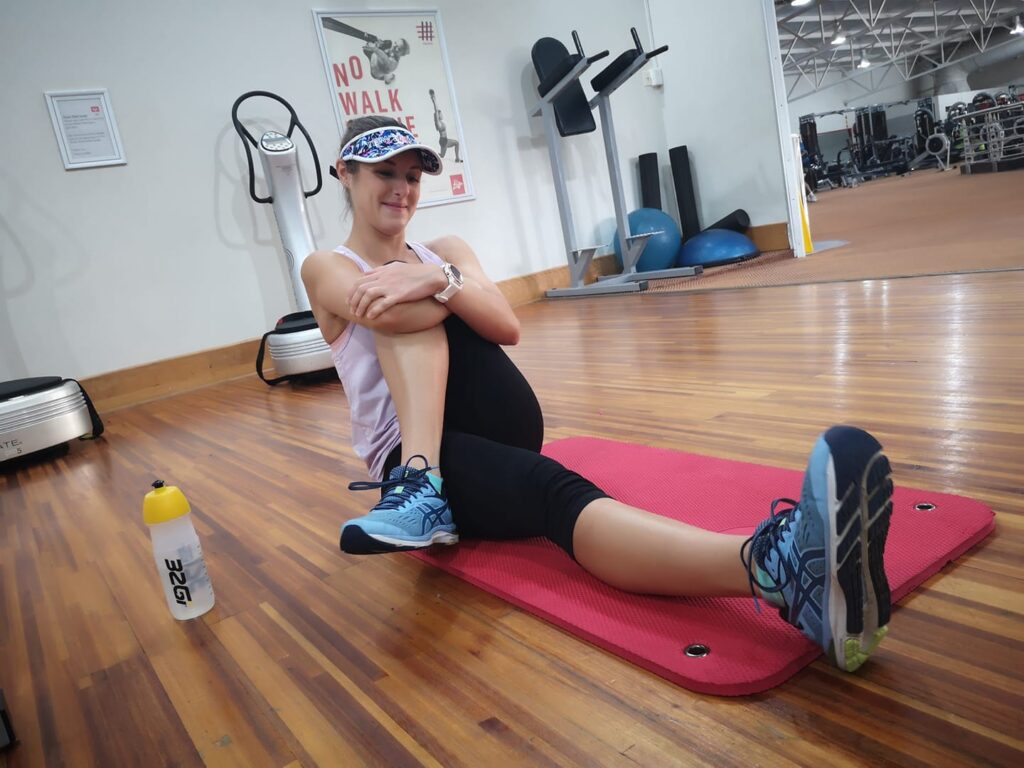
I’ve been fortunate to avoid serious injuries, which I attribute to disciplined stretching after runs and the conditioning benefits of strength training. I listen to my body, take days off when needed, and incorporate shorter, easier runs to prevent overtraining. Regular physiotherapy also helps keep everything in check.
Q: What motivates you to participate in the Comrades Marathon and ultra events, and what are your personal goals for this race?
The challenge of pushing my limits and seeing what I’m capable of motivates me. Comrades specifically drives me because I didn’t finish my first attempt in 2015. I’ve since learned a lot about pacing and nutrition, and I’ve completed numerous marathons. My goal for Comrades is simply to finish and enjoy the experience. I have a sense of unfinished business with the race, especially with the Polly Shorts climb, and I aim to overcome that challenge this time around.
Q: How do you stay motivated on tough training days or when you’re feeling exhausted from work?
What motivates me to run the Comrades Marathon specifically is my unfinished business from my first attempt in 2015, where I didn’t make it to the finish line. Despite the disappointment, I loved the experience and atmosphere that year, but my lack of experience in pacing and race day nutrition was evident. Since then, I’ve had nine years to prepare and gain confidence, learning a lot about nutrition and completing 14 to 15 marathons. My goal for race day is simply to finish and have my best Comrades experience yet. I deeply respect the race and understand that despite thorough preparation, anything can happen on the day. I feel a strong need to conquer Polly Shorts and reach the finish line this time.
To stay motivated on tough days when work leaves me exhausted, I focus on two things. Firstly, I believe that consistency is crucial for fitness; if I want to improve or reach my potential, I can’t skip training sessions. Secondly, I know how regretful it feels to end the day without having trained—a missed session is time lost forever. Waking up early to train, even in the darker and colder months, always pays off. Starting my day with a workout boosts my overall wellbeing, including my mental health. Running has always been a form of meditation for me, a way to unwind and maintain a healthy body and mind.
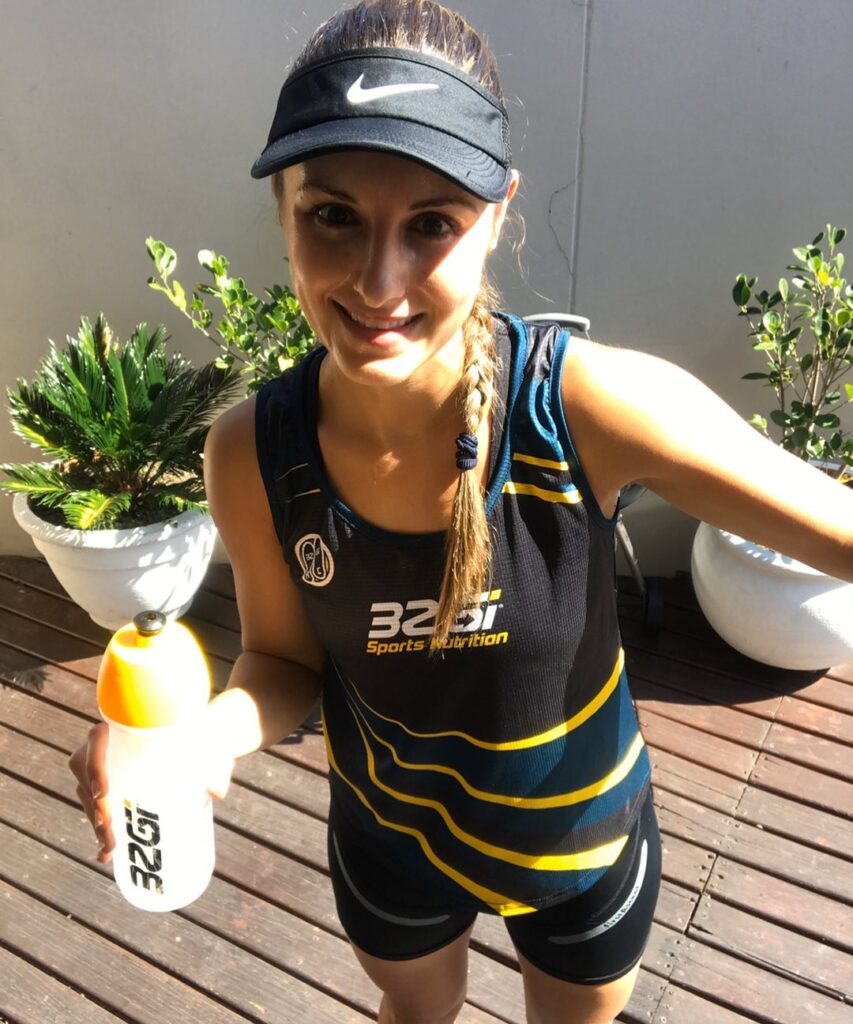
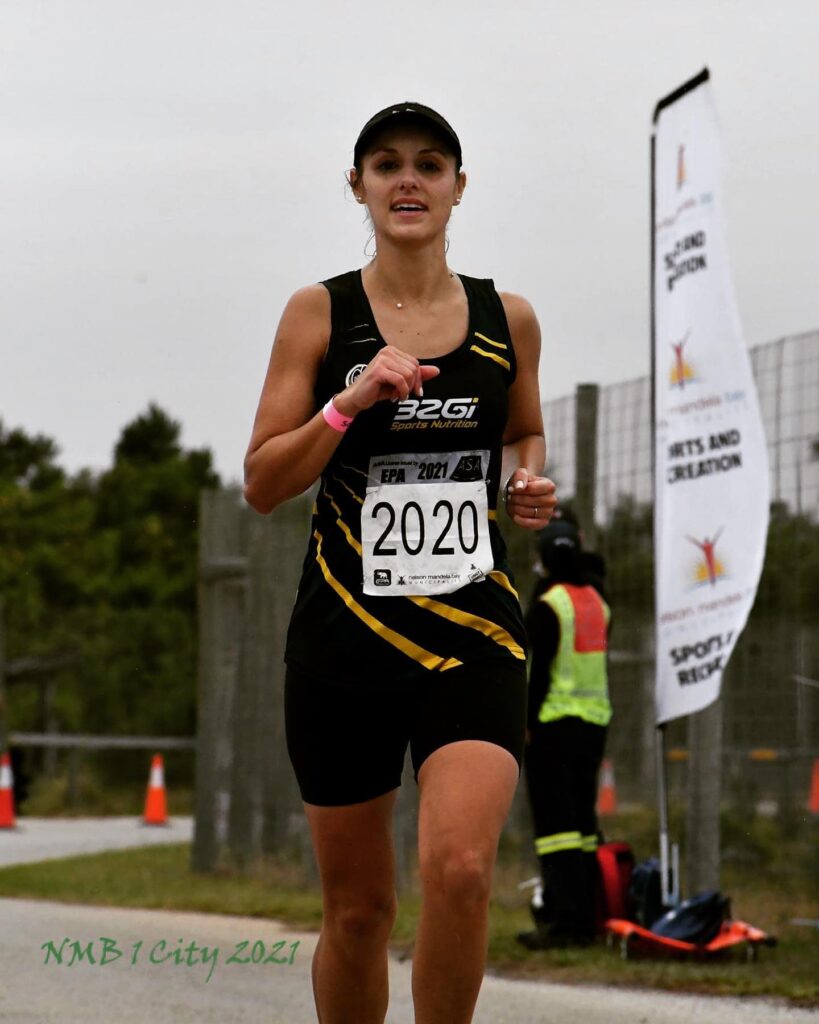
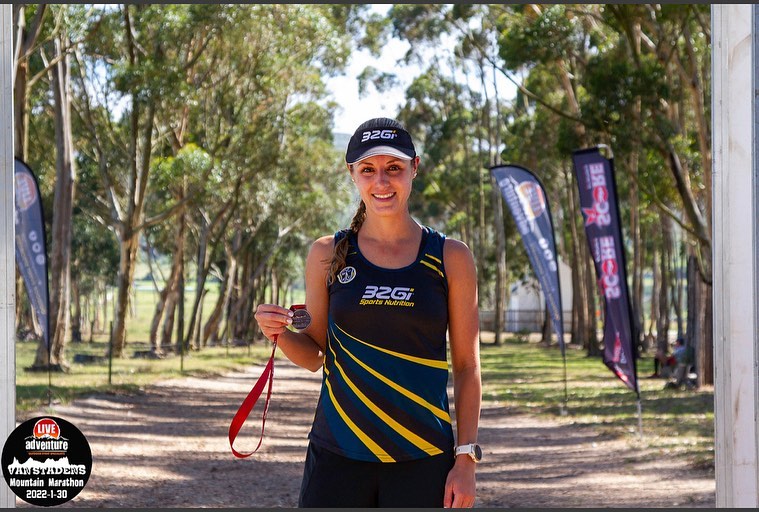
Rebecca’s journey from a young girl inspired by the Comrades Marathon to a dedicated athlete balancing career, life, and rigorous training is truly inspiring. Her story highlights the importance of perseverance, the joy of pushing personal limits, and the profound impact that a passion for sports can have on one’s life. As she prepares for her next Comrades Marathon, her experience and dedication serve as a testament to what can be achieved with hard work, consistency, and a love for the sport.

